Print design & DTP
Publications
print-ready
From business cards to advertising materials, we design, lay out and deliver print-ready PDFs – proofread and colour-accurate.
Wienerberger, Magyar Posta, CREATON, Internorm, Tondach, Bramac, Az Autó, Nanasoft, Adidas, Arquebusade, Retro




Services
How can we help?
Whether it is a single business card or a book of several hundred pages, we handle everything from the concept to the print-ready file.
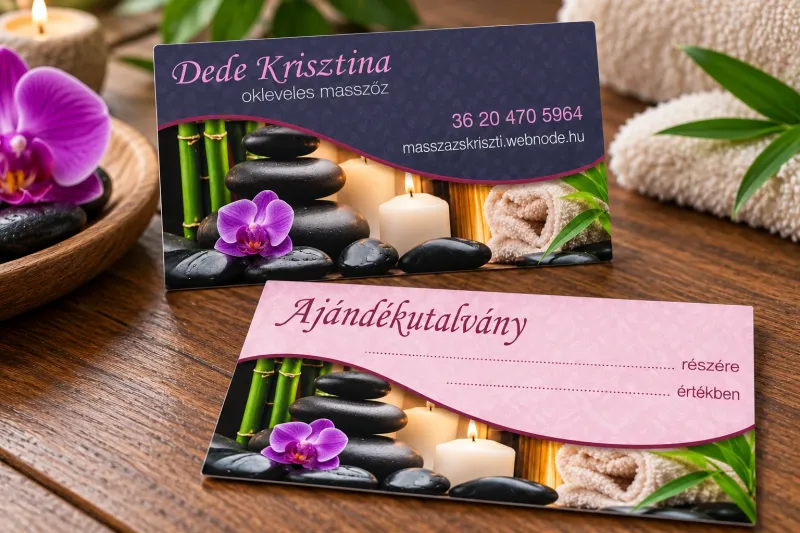
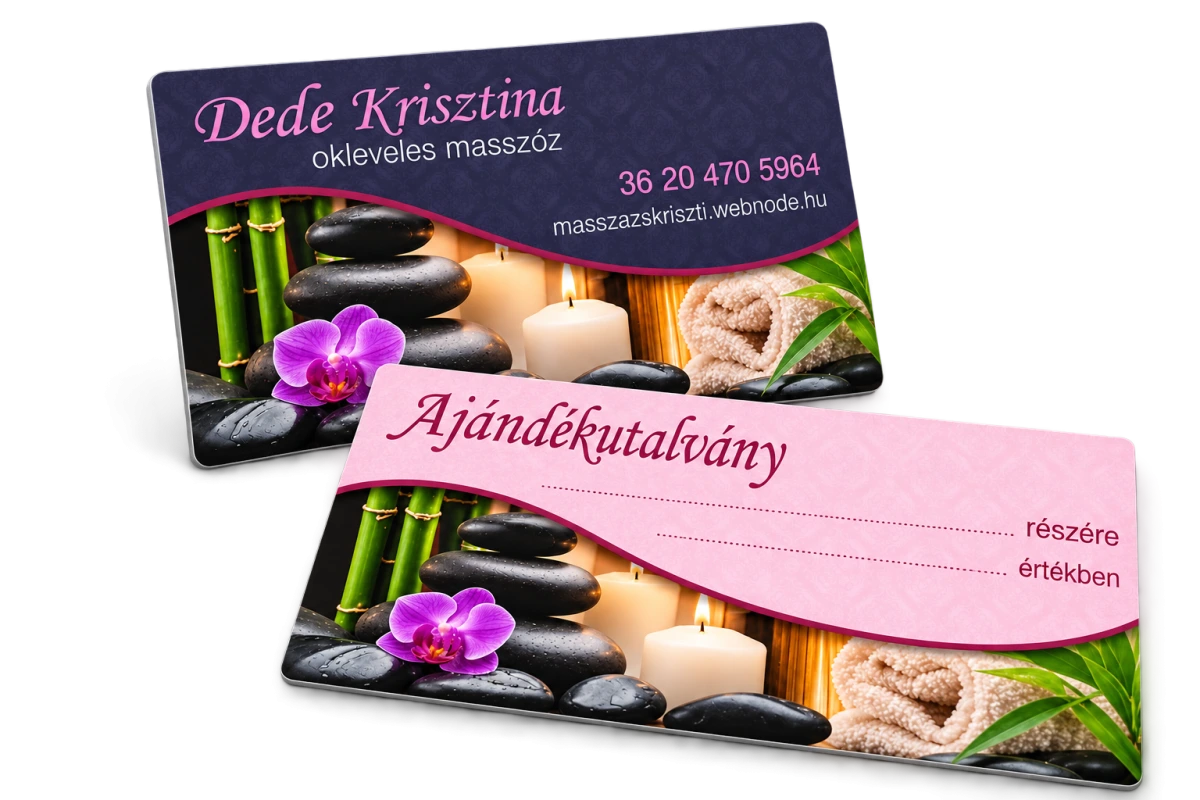
Business cards
Custom business cards that make a lasting first impression.
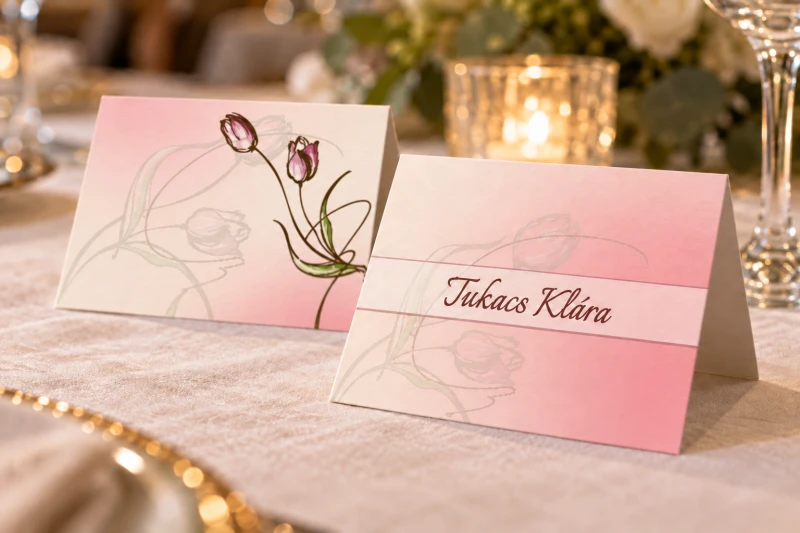
Custom Graphic Design
From special occasions to the finishing touches on a product, we design invitations, place cards, labels, DVD covers and other bespoke graphic materials tailored to your needs.
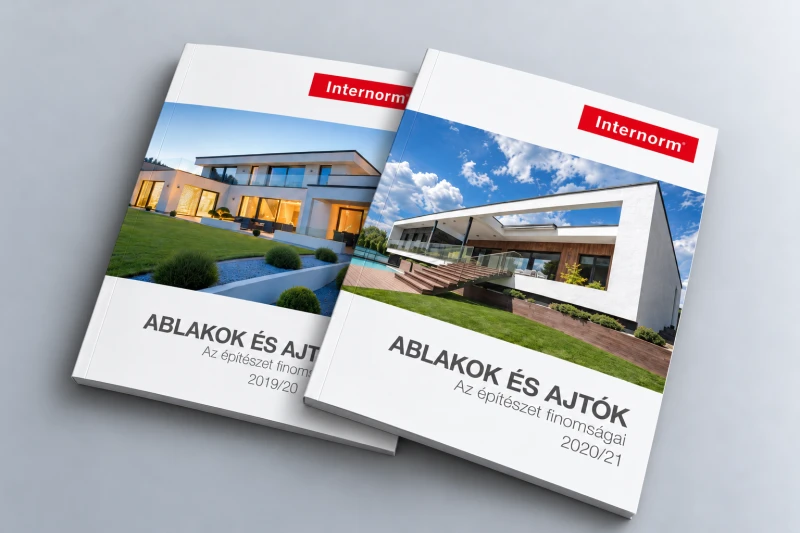
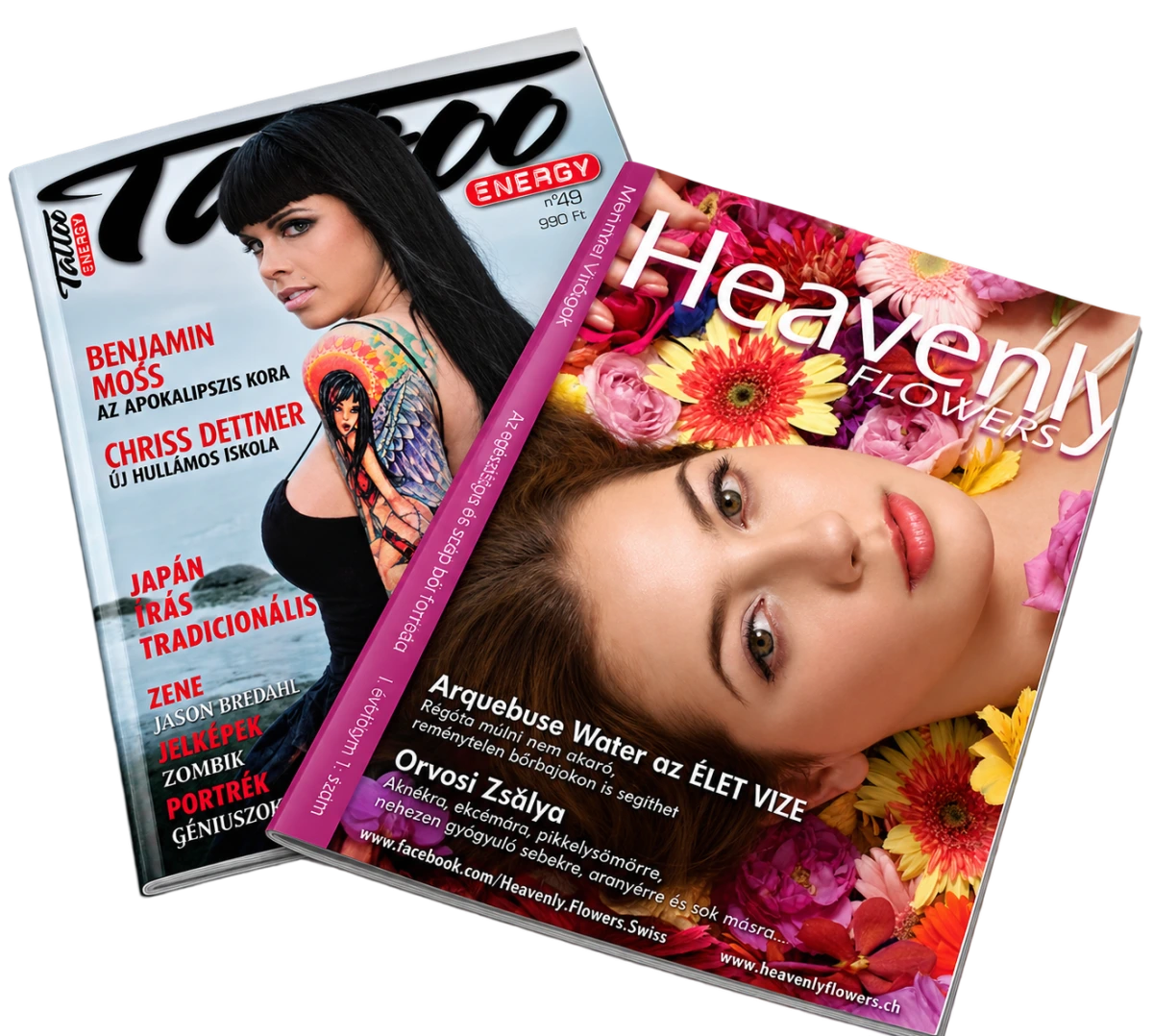
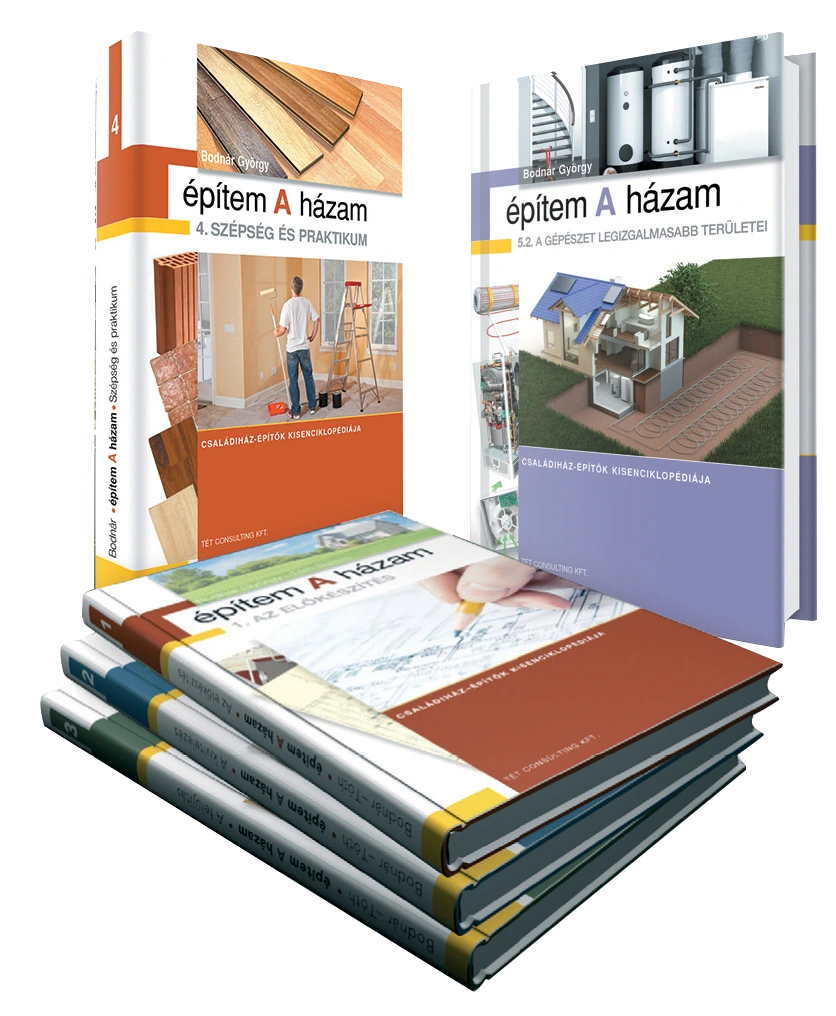
Books & Magazines
Turning content into beautifully designed publications. From cover design and interior layout to print-ready files, every detail is crafted for a consistent, professional result.
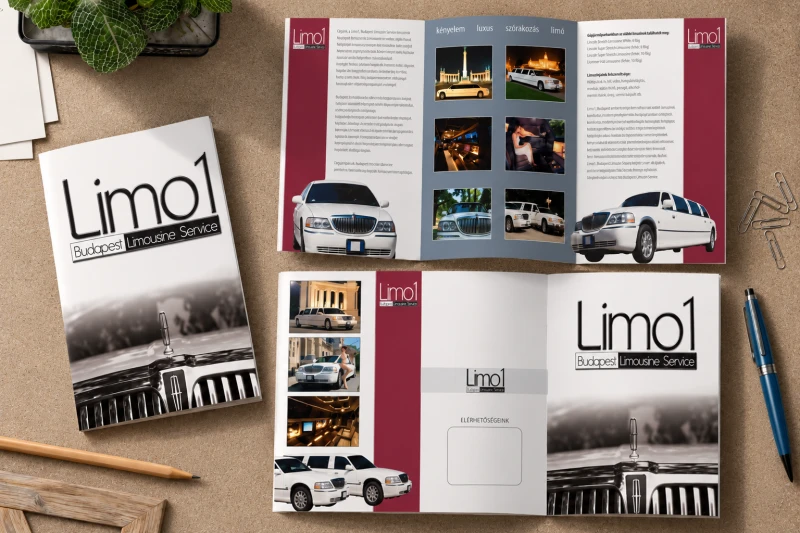
Flyers
Eye-catching flyers and promotional materials that communicate your message clearly, capture attention and help your business stand out.
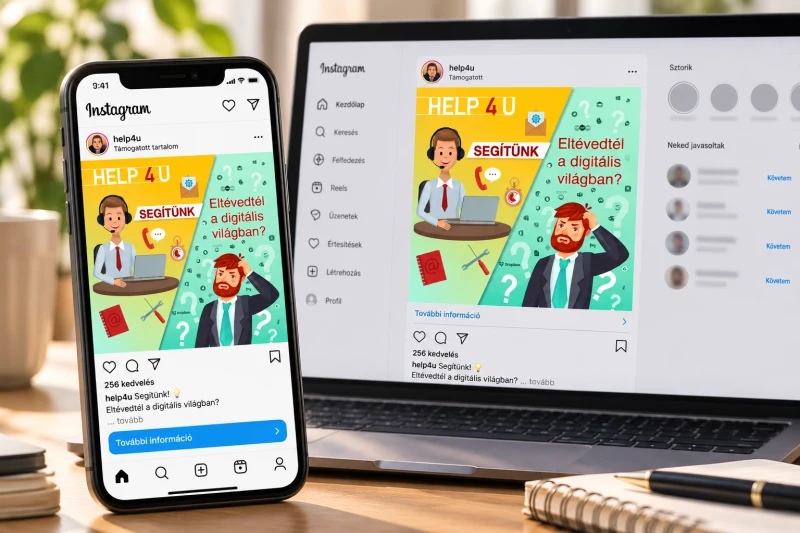
Digital Advertising
Creative advertising for digital platforms that captures attention and communicates your message. Custom banners, Facebook and Instagram posts, and tailored visual content designed around your brand and target audience.
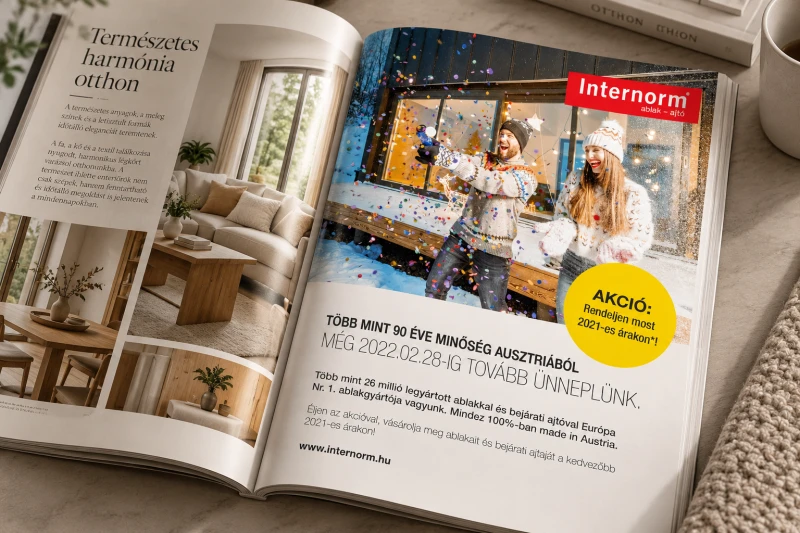
Print Advertising
Eye-catching print advertisements that stand out from the crowd. Creative design for newspaper ads, posters and other printed promotional materials, with layouts tailored to the format and files prepared for print.
Logo Design
Unique logos that make your brand recognisable and memorable. Timeless designs created to represent your business across digital platforms and printed materials.
Brand Identity Design
A cohesive visual identity built around your logo, colours and typography. Consistent brand elements that help your business communicate a professional image across every platform. Copy text
How we work
Pieces become the whole.
Text, images, colour and paper – everything falls into place before the job goes to print.
- 1Brief and material collection
- 2Layout and design
- 3Proofing and fine-tuning
- 4Print-ready PDF delivery
Portfolio
Work you can hold in your hands.
Pick a category and browse through our work.
Quality
What every job includes
Print-ready PDF
CMYK & Pantone colour management
Bleed and crop marks
Proofing rounds
Print shop coordination
Editable source files
Consistent branding
Fast turnaround
FAQ
Frequently asked questions
From your first enquiry to the print-ready PDF: short, practical answers about graphic design, layout and print preparation.
Quotes and collaboration
What should I send for a quote and to get started?
For a design quote, tell us what you need, its size, page count and print run, what it will be used for, and when you need it. If you have an existing brand identity, a logo or examples you like, send those too. To start the work, we need the text in an editable format (a Word file, for example) and the images as separate files at their original size. If anything is missing, we will sort it out together at the first consultation.
How does a graphic design or layout project work?
A graphic design or layout project starts with clarifying what you need and ends with the handover of the approved final files. Based on your brief and materials, we send you a quote, and once you accept it we prepare the first design. We refine it in proofing rounds based on your feedback until you approve it. The print-ready files and any agreed digital versions are then produced from the approved design.
What does the cost of graphic design depend on?
The cost of graphic design depends mainly on the scope and complexity of the work. The page count or number of size variants, the number of concepts and versions requested, the state of the text and images you provide, and the deadline all play a part. Well-organised, approved copy and good-quality images need less preparation. That is why every job gets its own quote once we understand the brief.
How long does a design job take, and do you take on rush jobs?
How long a design job takes depends on its scope, the number of proofing rounds, and how quickly materials and feedback arrive. We set out the expected schedule in the quote; print production time comes on top of that. We take on rush jobs depending on our current capacity and the nature of the work, so we always agree on this in advance.
Design, logos and revisions
Can you design new materials to match my existing brand identity?
Yes, we design new materials for existing brand identities and follow the brand rules when we do. If you have brand guidelines, we apply the colours, typefaces, logo usage and layout principles they set out. If you do not, we gather the elements needed for a consistent look from your logo and your earlier materials.
What do I receive at the end of a logo design project?
At the end of a logo design project, you receive the approved logo in files prepared for both print and digital use. This typically means vector formats (such as PDF or SVG) for printing and scaling to any size, plus raster image files (such as PNG) for use on screen. The quote sets out the exact list of deliverables and whether the editable source file is included.
Can you redraw or vectorise an old, low-resolution logo?
Yes, a clean vector version can be created from an old or low-resolution logo. Vectorising is not automatic enlargement or a simple file conversion: we redraw the shapes and lettering so that they stay sharp at any size. The better the quality of the original image, the more faithfully it can be followed. If the logo contains text, we also try to identify the original typeface.
How many proofing rounds are included, and what counts as a new job?
The number and scope of proofing rounds are set out in the quote for each job. The work moves fastest when you collect all your comments and send them in a single round. A completely new concept, a major content change or resizing after the fact may count as a new job. We always agree on these in advance.
Files and print preparation
What formats can I send my existing materials in?
You can send the existing materials for a design job in most common formats: Word, PowerPoint or PDF files, Canva exports, images or existing design source files. These files are usually not print-ready, so we check them before we start and let you know if we need a better-quality version of anything. Please send images at their original size as separate files rather than placed inside a document.
Which files will I receive when the job is done?
When a design or layout job is finished, you typically receive a print-ready PDF prepared to your chosen print shop's requirements. On request and by agreement, we also hand over versions for digital use, such as web or social media images, and the editable source files. The exact set of files to be delivered is agreed in the quote.
What is a print-ready PDF?
A print-ready PDF is a file that a print shop can produce from directly, without further corrections. It has the correct final page size, the required bleed, colours in a print colour space, images of sufficient resolution, and fonts that are embedded or converted to outlines. The exact settings, such as the PDF standard and the colour profile, are always determined by the print shop's requirements.
What are bleed, crop marks and the safety margin?
Bleed is extra artwork extending beyond the final trim size, crop marks show where the sheet is cut, and the safety margin is the area inside the trim line where no important content is placed. Bleed ensures that backgrounds or images running to the edge leave no white strip after cutting; it is often 3 mm, but the exact size depends on the product and the print shop. We add crop marks and other printer's marks according to the specification of the print shop in question. Text and logos kept inside the safety margin stay intact even if the cut is slightly off.
What is the difference between RGB, CMYK and Pantone colours?
RGB is the colour system of screens, CMYK is used for four-colour process printing, and Pantone is a standardised spot colour system in which a colour is printed with its own pre-mixed ink. For printed materials, we set colours in CMYK or in spot colours agreed with the print shop, while versions for screens are made in RGB. Because a monitor emits light and paper reflects it, colours on screen and in print cannot always match exactly for technical reasons.
What resolution do I need for print, and what is the difference between vector and raster images?
As a general starting point, images for print need a resolution of around 300 PPI at their final printed size, although the print shop may specify a different value for large-format advertising. A raster (pixel) image is made up of pixels, so it becomes blurry when enlarged too far, while a vector graphic is built from mathematically defined shapes and stays sharp at any size. That is why a vector source is ideal for logos and simple graphics. Any images and fonts used must be properly licensed: an image downloaded from an online image search is not cleared for use on that basis alone.
Publications and printing
Do you handle printing and liaising with the print shop?
We handle liaising with the print shop and preparing files to its specifications; physical printing is part of the job only if the quote includes it separately. While coordinating, we clarify the print shop's technical requirements, such as the bleed size, the colour profile and the PDF settings. This way the print shop receives a file it can produce from without corrections.
What is a digital or hard-copy proof, and when is it worth asking for one?
A proof is a check sample produced before final production, so you can see how the finished piece will look before you approve it. A digital proof is a PDF you review on screen that shows the content, layout and dimensions; a hard-copy proof is a printed sample on which colours can also be judged more reliably. It is especially worth asking for one on colour-critical work, such as brand colours, and before large print runs, because mistakes are still cheap to fix at this stage. Whether a hard-copy proof is available, and what it costs, is up to the print shop.
Does layout work include copy-editing and proofreading?
Layout work means arranging text and images on the pages; copy-editing and proofreading for language are separate services. We make the corrections you mark on the laid-out pages, such as typos, line breaks or image swaps, during the proofing rounds. Language checking of the text is part of the job only if the quote specifies it separately. For the best result, the text should already be edited and approved before layout begins.
What needs to be final before a book, catalogue or multi-page publication is laid out?
Before a book, catalogue or multi-page publication is laid out, the text should be edited and approved, and the main specifications of the publication should be fixed. These include the final size, binding method, paper and expected page count, as well as the images, captions and chapter structure. The spine width of the cover depends on the final page count, the paper and the print shop's specifications, so we calculate it once the inner pages are final. Large amounts of text changes arriving during layout can lead to re-layout, delays and extra work.
Got a print project that needs a shape?
Tell us what you need and we will get back to you soon with a realistic quote.
Get a tailored quote